
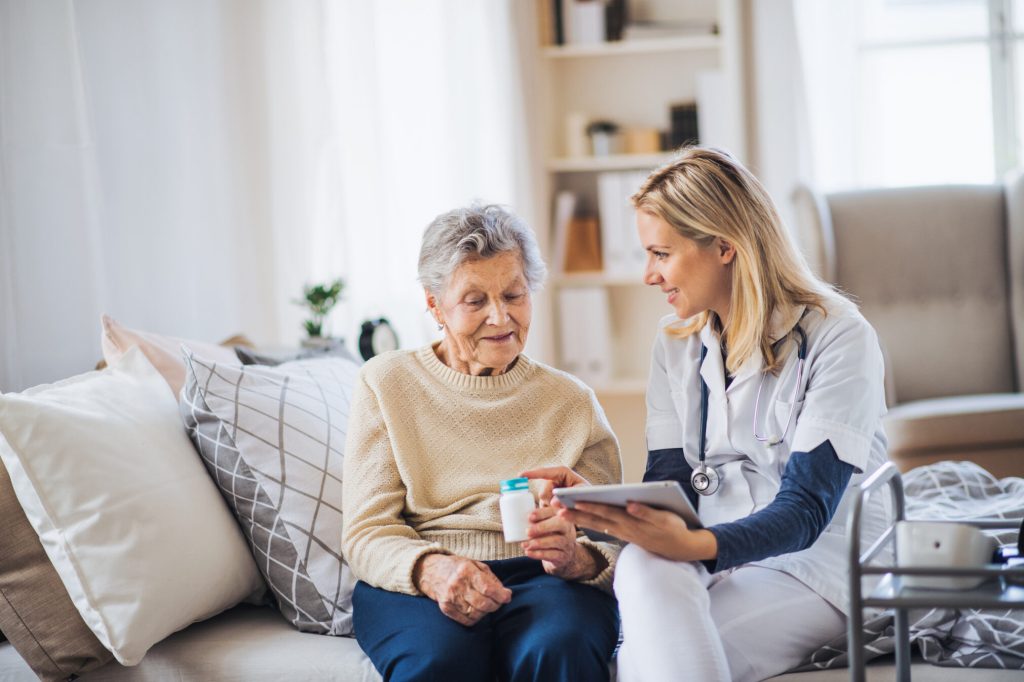
In today’s world, technology for home care is revolutionizing how families support their aging loved ones and individuals with health challenges. Contemporary tools, from remote monitoring devices to emergency alert systems, are proving helpful in helping older adults remain independent and safe while at home.
This blog post details how technology is changing home care through remote health monitoring, smart homes, and emergency alerting. We’ll also discuss the benefits, challenges, and future of tech-enabled caregiving, and why Mehr Home Care stands out as Reston’s most promising home care service provider.
The Rise of Technology for Home Care
Over the past decade, technology for home care has evolved from basic medical alert buttons to sophisticated, interconnected systems that provide real-time information and security. As more older people choose to age in place, technology steps in to bridge the gap between autonomy and security.
Home care technology these days includes everything from wearable health monitors to voice-controlled smart speakers. The equipment enables caregivers and family members to monitor health metrics, movement, and even mood remotely. The result is a healthier, more connected home that helps older adults to live independently with dignity.
Remote Monitoring and Its Role in Home Care
One of the most impactful innovations in technology for home care is remote monitoring. This technology enables caregivers and healthcare professionals to monitor vital signs, medication regimens, and activity patterns remotely, without being physically present. Real-time information is transmitted securely to healthcare professionals or loved ones via sensors and intelligent devices.
For example, wearable technology can track heart rate, oxygen levels, and sleep quality in real time. Motion sensors can detect unusual periods of inactivity, such as a client not getting out of bed or staying in one place for too long. These technologies help detect illness early, allowing for faster response and reduced hospital visits. Remote monitoring gives clients and families alike peace of mind, knowing that help and information are available.
Emergency Alert Systems as Part of Home Care
When it comes to safety, technology for home care truly shines through emergency alert systems. They are designed to provide instant assistance in the event of a fall, a medical emergency, or other urgent need. Earlier models had push-button pendants or wristband features, but subsequent models offer automatic fall detection, GPS, and voice-mailed warnings.
Others are linked to 24/7-staffed monitoring centers, so assistance is sent right away. Others are connected to a smartphone or smartwatch, so individuals can call emergency services with the touch of a button, wherever they find themselves. For individuals living alone, this technology is not merely convenient; it’s a lifesaver.
The Benefits of Technology for Home Care
Adopting technology for home care has many advantages for both caregivers and clients. First, it is safer through continuous observation and easy access to intervention during emergencies. Families are guaranteed that their loved one is well cared for, even when they might not be there.
Besides, the technologies promote autonomy. Older people can stay at home longer, maintain their routines, and maintain their own comfort. Caregivers benefit too through real-time information that enables them to provide better-informed, anticipatory care. In the long term, technology can also help reduce overall healthcare costs by preventing hospitalizations and unnecessary medical visits.
Challenges and Limitations of Technology
While technology for home care offers incredible advantages, it’s not without challenges. The biggest obstacle is availability. New technology can intimidate some seniors, or they may just not be able to operate it. Simplicity and usability are, therefore, the key when selecting home care technology.
The second concern is privacy and data protection. Because remote monitoring does generate personal health information, systems must be HIPAA-compliant. Lastly, technology can assist with caregiving, but never at the expense of human touch and empathy, two aspects of good home care that remain paramount.
Integrating Smart Home Devices
Smart home automation is increasingly part of technology for home care, making daily living safer and more convenient. Voice-controlled devices like Google Home or Amazon Alexa can turn lights on and off, lock doors, and adjust thermostats, without ever having to rise from a seated position.
Smart doorbells and smart cameras provide extra security, and motion-detecting lights prevent nightfall. Even pill dispensers are becoming “smart,” reminding patients to take their pills on time and alerting caregivers if they don’t. All these technologies together form an assistive environment that promotes comfort and safety.
How Caregivers Benefit from Technology for Home Care
It’s not just clients who benefit from home care technology; caregivers do as well. Real-time reminders, activity tracking, and health alerts enable caregivers to make more informed decisions and respond more promptly to issues. This technology avoids burnout by eliminating the constant worry of “what if something goes wrong?”
For professional caregivers, these devices improve workflow and efficiency. Rather than spend their time on mere checks, they can now concentrate on personalized interaction and quality care. Families also enjoy the openness that comes from seeing updates and reports directly on connected devices.
The Future of Tech in Senior Care
In the future, home care technology will continue to evolve at a faster pace. Artificial intelligence, predictive analytics, and robotics are already finding their way into home care. Future systems could identify minor changes in health patterns before they become critical and inform caregivers to take proactive measures.
Telehealth will be integrated, enabling consultations from anywhere and reducing the need for on-site visits. As these technologies evolve, home care will be more streamlined, timely, and tailored than ever. It is not intended to substitute for human caregivers but to equip them with superior tools to deliver thoughtful, savvy care.
Choosing the Right Devices for Home Care
Selecting the right technology for home care depends on the individual’s needs, lifestyle, and comfort with technology. Personalize it, a combination of safety functions with convenience. Begin with the bare necessities (such as emergency alerts and temperature monitoring), and include smart home functions as required.
It’s also worth dealing with trustworthy providers who are familiar with the caregiving and technology aspects of the equation. A good provider can assist with getting them up and running, providing instruction, and supporting these systems so they continue to function and deliver long-term benefits.
Partner with Mehr Home Care for Safe and Smart Living
The integration of technology for home care is changing the way families approach caregiving. From remote monitoring and emergency alert systems to home automation, the technology enables in-home aging that is safer, easier, and more respectful. It allows seniors to age in place while also making families safe and comfortable.
For Reston residents in need of compassionate, state-of-the-art care, Mehr Home Care is the region’s top home care agency. By combining professional skills with insider knowledge of today’s innovations, Mehr Home Care provides each client with customized care, matching human empathy with cutting-edge digital solutions to provide the most comfortable, safest home life possible.